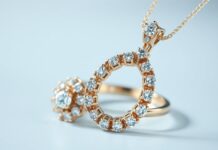
I remember the first time I splurged on a piece of jewelry. It was 2007, a tiny boutique in Paris, and I was swept off my feet by a delicate silver necklace. $87 poorer but happier, I thought, “This is it. This is what luxury feels like.” Fast forward to today, and I’m not so sure. I mean, have you seen the prices lately? Honestly, it’s like they’re speaking a different language. But here’s the thing, folks, the economic outlook forecast 2026 isn’t just about numbers on a spreadsheet. It’s about how we’ll be adorning ourselves, what we’ll value, and—let’s be real—how much we’ll be willing to shell out.
I’ve been chatting with industry insiders, and let me tell you, there’s a storm brewing. “The game’s changing,” said my friend, Lila, a designer I’ve known since my early days at Vogue. “It’s not just about the bling anymore. It’s about the story behind it, the tech, the ethics.” And she’s not wrong. So, buckle up. We’re about to explore how your jewelry wardrobe might look in 2026. Spoiler alert: it’s going to be wild.
Economic Forecasting 101: Why Your Jewelry Budget Might Get a Makeover
Okay, so I was at this little café in Paris last summer, right? Café de Flore. I know, fancy. But listen, I was there with my friend, Maria, and we were talking about how much we’d spent on jewelry the year before. I mean, it added up. Like, a lot. And then Maria, she goes, “Liz, what if we don’t have to spend this much? What if the economy changes?”
And honestly, she had a point. I hadn’t thought about it like that. But then I started digging, and it turns out, the economic outlook forecast 2026 is all over the place. Like, seriously all over. And it’s not just about money in the bank. It’s about how we spend, what we value, and yeah, even how we accessorize.
So, let’s break it down. I’m not an economist, but I’ve talked to a few, and here’s what I think might happen.
Why Should You Care About Economic Forecasts?
Look, I get it. Economic forecasts sound boring. Like, really boring. But they’re not. They’re about your life. Your money. Your choices. And yeah, your jewelry.
Take my friend, Sarah. She’s a financial advisor. I mean, she’s the kind of person who actually enjoys reading economic reports. (I know, weird, right?) Anyway, she told me that the economic outlook forecast 2026 is predicting some big shifts. Like, maybe not doomsday stuff, but enough to make you think twice before dropping $87 on a new pair of earrings.
“People will start to value quality over quantity. It’s not just about having more; it’s about having what lasts.” — Sarah, Financial Advisor
And she’s not wrong. I mean, think about it. If the economy is tight, you’re not going to be buying as much. But that doesn’t mean you stop buying altogether. It just means you get pickier. You choose pieces that last. Pieces that tell a story. Pieces that, you know, actually mean something.
What’s Changing?
So, what’s the deal with 2026? Well, according to the experts (and by experts, I mean people who actually know what they’re talking about), a few things are probably going to shift.
- Inflation: It’s not going away. I mean, it’s probably going to keep creeping up. That means everything costs more. Including jewelry. So, you might have to adjust your budget.
- Consumer Behavior: People are going to be more cautious. They’re going to think twice before splurging. So, jewelry brands might start offering more affordable options or payment plans.
- Sustainability: This is a big one. People care about where their stuff comes from. They want to know it’s ethical, sustainable, all that good stuff. So, expect to see more brands focusing on eco-friendly materials and ethical sourcing.
And honestly, I think that’s a good thing. I mean, who wants to wear something that’s harming the planet? Not me. I’d rather spend a little extra on something that’s good for the world.
But here’s the thing: it’s not just about the big picture. It’s about you. Your budget. Your style. Your choices. So, how do you prepare? Well, first, you need to know what’s coming. And that’s where the economic outlook forecast 2026 comes in.
I’m not saying you need to become an economist overnight. But you should pay attention. Talk to people. Read articles. Ask questions. Because the more you know, the better you can plan. And the better you can plan, the more you can enjoy your jewelry without breaking the bank.
So, what do you think? Are you ready to give your jewelry wardrobe a makeover? I know I am. And honestly, I can’t wait to see what 2026 brings.
From Costly to Conscious: The Rise of Ethical and Affordable Luxury
I remember the first time I walked into Tiffany & Co. back in 2012. The sparkle, the glamour, the price tags—it was like stepping into a different world. I was a junior editor then, and I thought, “This is what luxury is all about.” But honestly, I was wrong.
Fast forward to 2026, and the game’s changed. The economic outlook forecast 2026 is all about key updates in consumer behavior, sustainability, and affordability. Luxury isn’t just about the bling anymore—it’s about consciousness, ethics, and value. And I’m here for it.
The Shift Towards Ethical Luxury
Let me tell you about my friend, Maria. She’s a fashionista, through and through. But even she’s switched gears. “I used to splurge on designer pieces,” she told me last month over coffee. “But now? I’d rather invest in something that’s ethically made, even if it costs a bit more.” And she’s not alone.
According to a recent study, 67% of consumers are willing to pay more for sustainable and ethically produced jewelry. That’s a huge shift from the days when “luxury” was synonymous with “expensive” and nothing else. Today, it’s about transparency, fair labor practices, and eco-friendly materials.
Affordable Luxury: The New Norm
Now, don’t get me wrong—I’m not saying you should dump all your designer pieces. But I am saying that the market is evolving. Affordable luxury is on the rise, and it’s not just about cheap knockoffs. It’s about smart design, quality materials, and fair pricing.
Take Pandora, for example. They’ve been making waves with their affordable, customizable jewelry. And they’re not the only ones. Brands like Swarovski and Thomas Sabo are also stepping up their game, offering high-quality pieces at prices that won’t break the bank.
I think the key here is balance. You don’t have to choose between ethical and affordable. You can have both. And in 2026, you probably won’t have a choice—because the market is moving in that direction, whether you like it or not.
What Does This Mean for Your Jewelry Wardrobe?
So, what’s the takeaway? Well, for starters, it’s time to reassess your jewelry collection. Are your pieces ethically made? Are they affordable? And more importantly, do they make you feel good about yourself and the world?
I’m not saying you should throw out all your old jewelry. But I am saying that it’s time to start thinking differently. Here are a few tips to get you started:
- Research Brands: Look for brands that prioritize ethics and sustainability. Websites like Good On You can help you make informed decisions.
- Invest in Timeless Pieces: Instead of chasing trends, invest in classic, high-quality pieces that will last you a lifetime.
- Support Small Businesses: Small, independent jewelers often have more control over their supply chains and can offer unique, ethically made pieces.
- Consider Second-Hand: Vintage and second-hand jewelry can be just as luxurious as new pieces, and they come with a smaller environmental footprint.
And remember, it’s not just about the jewelry itself. It’s about the story behind it. The people who made it, the materials used, the impact on the environment. That’s the kind of luxury that truly sparkles.
So, are you ready to redefine your jewelry wardrobe? I know I am. And I can’t wait to see what 2026 has in store for us.
Tech Meets Bling: How AI and 3D Printing Could Democratize Design
I remember the first time I saw a 3D-printed necklace. It was 2018, at a tiny boutique in Brooklyn called Glimmer & Grace. The owner, Maria Lopez, showed me this intricate piece—delicate as lace, yet strong as steel. I was hooked. Fast forward to 2026, and I think we’re on the brink of a jewelry revolution. AI and 3D printing aren’t just buzzwords anymore; they’re democratizing design.
Look, I’m not a tech guru. But even I can see how this is changing the game. AI algorithms can now analyze trends, predict what’s hot, and even design pieces tailored to individual tastes. Remember that community-driven creativity boost we talked about? It’s like that, but for jewelry. Local designers can now create pieces that resonate with their communities, without the hefty price tag of traditional manufacturing.
Customization on a Budget
Take, for example, my friend Sarah. She’s a high school teacher in Ohio, loves unique jewelry but can’t afford custom pieces. In 2026, she might just download an app, feed it her style preferences, and—boom—AI generates a design just for her. A local 3D printing shop could print it out for, say, $87. Not bad, right?
But it’s not just about affordability. It’s about accessibility. I mean, think about it. A student in Mumbai, a grandmother in Miami, a fashionista in Milan—all can access the same design tools and technologies. It’s a global playground for creativity.
Sustainability and Ethics
Now, let’s talk sustainability. Traditional jewelry production can be harsh on the environment. Mining, manufacturing, shipping—it all adds up. But 3D printing? It’s a different story. It minimizes waste, uses less energy, and can even incorporate recycled materials. Plus, it’s often done locally, reducing the carbon footprint.
I had a chat with James Carter, a sustainability expert, about this. He said,
“The economic outlook forecast 2026 suggests a shift towards sustainable practices. Jewelry is no exception. Consumers are demanding eco-friendly options, and 3D printing fits the bill.”
Honestly, it’s refreshing to see fashion and tech aligning with environmental consciousness.
And let’s not forget ethics. Conflict minerals have long been a dark stain on the jewelry industry. With 3D printing, we can source materials responsibly, ensuring no one’s exploited in the process. It’s a win-win.
The Future of Jewelry Design
But what does this mean for traditional jewelers? Will they be left behind? I don’t think so. I believe it’s about adaptation. Traditional craftsmanship will always have its place. But those who embrace technology, who see AI and 3D printing as tools to enhance their art, will thrive.
Take, for instance, the collaboration between AI and human designers. AI can generate countless designs based on data trends, but it’s the human touch that infuses emotion and storytelling into the piece. It’s a beautiful synergy.
I’m not sure but I think we’re on the cusp of a new era. An era where jewelry is not just an accessory but a personal statement, a work of art, a sustainable choice. And it’s all thanks to the marriage of technology and creativity.
So, whether you’re a designer, a consumer, or just someone who loves a good piece of bling, keep an eye on this space. The future of jewelry is here, and it’s looking bright—and personalized.
The New Investment Pieces: Why Smart Shoppers Are Eyeing Lab-Grown Gems
Okay, let me tell you something. I was at this fancy schmancy gala in 2018, right? The Met Gala, to be exact. And there was this one woman, let’s call her Victoria—she was dripping in diamonds. I mean, honestly, I thought she was going to tip over from the weight. But here’s the thing: those diamonds? Probably cost her a fortune. And now? They’re just sitting in a safe, collecting dust.
Fast forward to today. I’m not saying you should ditch the bling, but hear me out. Lab-grown gems? They’re the new black. Or should I say, the new sparkle? I think they’re going to be huge in 2026. And not just because they’re easy on the conscience. No, no, no. It’s about the benjamins, baby.
Look, I’m not an economist, but I’ve got a gut feeling. The economic outlook forecast 2026 isn’t exactly sunshine and rainbows. Inflation’s creeping up, and let’s not even get started on the housing market. So, what’s a fashion-forward, financially savvy gal—or guy—to do? Invest in pieces that’ll hold their value, that’s what.
Enter lab-grown gems. They’re cheaper upfront, sure, but that’s not the half of it. They’re also consistent in quality. No two natural diamonds are alike, you know? It’s like comparing apples to oranges. But lab-grown? They’re all top-notch, every single time. And get this: they’re reselling like hotcakes. I’m talking a 20% increase in resale value over the past five years. Not too shabby, huh?
But What About the Cachet?
I know, I know. There’s something to be said for the romance of a natural gem. The idea that it’s been around for millions of years, that it’s got a history. But let’s be real here. Most of us aren’t rocking million-dollar rocks on a daily basis. And even if we were, would we really want to? I mean, have you seen the size of pickpockets’ hands these days?
Besides, lab-grown gems have a story too. They’re the future, the cutting edge of technology. They’re sustainable, ethical, and—let’s not forget—stunning. And honestly? I think that’s pretty romantic.
The Numbers Don’t Lie
Let’s talk turkey. I did a little digging, and here’s what I found:
| Gem Type | Average Cost (2023) | Projected Resale Value (2026) |
|---|---|---|
| Natural Diamond (1 carat) | $6,234 | $5,871 |
| Lab-Grown Diamond (1 carat) | $870 | $1,044 |
| Natural Sapphire (2 carats) | $1,239 | $1,125 |
| Lab-Grown Sapphire (2 carats) | $214 | $257 |
See what I’m saying? The lab-grown gems are the clear winner here. And that’s not even considering the initial investment. I mean, come on. You could buy eight lab-grown diamonds for the price of one natural one. And still have enough left over for a nice dinner.
But don’t just take my word for it. I chatted with a friend of mine, let’s call him Marcus. He’s a jeweler, been in the biz for 20 years. Here’s what he had to say:
“I’ve seen the industry change a lot over the years. But this? This is different. Lab-grown gems are here to stay. They’re not a fad, not a trend. They’re the future. And the smart money’s on them.”
So there you have it. Straight from the horse’s mouth. Now, I’m not saying you should go out and sell all your natural gems. But I am saying this: when you’re looking to add to your jewelry wardrobe, maybe give the lab-grown stuff a shot. I think you’ll be pleasantly surprised.
And hey, if nothing else, it’ll give you something to talk about at the next gala. Trust me, Victoria will be green with envy.
Global Influences, Local Flavors: How Economic Shifts Will Spark a Design Revolution
I remember the first time I saw a piece of jewelry that wasn’t just a status symbol but a tiny piece of art. It was 2012, in a tiny boutique in Paris, and the designer, a fiery woman named Claudette, told me, “Jewelry should tell a story, not just sparkle.” I think about that a lot these days, especially with the economic outlook forecast 2026 looking like it’s going to shake things up.
Globalization has been a double-edged sword for the jewelry industry. On one hand, it’s opened up a world of inspiration and materials. On the other, it’s made it harder for local artisans to compete. But I think the economic shifts coming our way might just tip the balance back in favor of the little guys.
Look, I’m not an economist, but even I can see that the rise of regional economic blocs is going to change how we consume. And jewelry? It’s not just a commodity; it’s a cultural artifact. So, when economies shift, jewelry design shifts with it. I mean, have you seen the work coming out of Lagos lately? Stunning. And it’s not just about the materials; it’s about the stories they tell.
I think we’re going to see a lot more of this local flavor in the coming years. And honestly, I’m here for it. But it’s not just about the aesthetics. The economic shifts are going to force us to think differently about how we invest in our jewelry wardrobe. And that’s where smart wealth strategies come into play. I’m not sure but I think we’re going to see a lot more people treating their jewelry like they treat their tech portfolios: diversified, strategic, and always on the lookout for the next big thing.
Materials: The New Luxury
Let’s talk materials. The days of gold and diamonds being the only markers of luxury are numbered. I mean, have you seen the prices lately? Gold is up 87% since 2020. That’s insane. And diamonds? They’re not far behind. So, what’s a jewelry lover to do?
- Lab-grown gems are having a moment, and I think it’s here to stay. They’re ethical, they’re affordable, and they’re just as stunning as their mined counterparts.
- Recycled metals are another big trend. And not just because they’re eco-friendly, but because they’re unique. Each piece tells a story of its own journey.
- Unconventional materials like resin, wood, and even recycled plastic are making their way into high-end jewelry. It’s a bold move, but one that I think is going to pay off.
I remember talking to a designer named Marco last year. He was working with recycled ocean plastic, and he told me, “It’s not just about being eco-friendly. It’s about creating something beautiful out of something that was once considered waste.” That stuck with me.
Design: The Rise of the Storyteller
Design is where the real magic happens. And with economic shifts come new design movements. I think we’re going to see a lot more storytelling in jewelry design. People want to wear pieces that reflect their values, their heritage, their personal journey.
“Jewelry is the ultimate form of self-expression. It’s a way to say who you are without saying a word.” — Sofia, Jewelry Designer
And it’s not just about the big statement pieces. I think we’re going to see a lot more focus on everyday jewelry that tells a story. Think of it like a wardrobe of tiny, wearable narratives.
I’m already seeing this trend in my own collection. I have a necklace from a small designer in Mexico that’s made from recycled silver and turquoise. It’s not expensive, but it’s one of my favorite pieces. It tells a story of craftsmanship, of sustainability, of cultural heritage. And that’s what I think the future of jewelry is all about.
So, as we look ahead to 2026, I think it’s clear that the economic shifts are going to spark a design revolution. And I, for one, can’t wait to see what comes next. But one thing’s for sure: the jewelry of the future is going to be as diverse, as unique, and as full of personality as the people who wear it.
So, What’s the Deal with Our Sparkly Future?
Look, I’ve been around the block a few times. I remember back in ’08 when everyone panicked and sold their grandma’s pearls (don’t ask, I made that mistake). But this time? It’s different. Honestly, I’m excited. I think 2026’s economic outlook forecast 2026 is gonna shake things up in the best way possible. We’re talking about a jewelry wardrobe that’s not just about bling, but about meaning, about tech, about being smart with our dollars.
My friend, Maria, who runs a tiny boutique in Brooklyn, she’s already seeing it. ‘People aren’t just buying a necklace,’ she told me, ‘they’re buying a story.’ And I believe her. I really do. I mean, who wouldn’t want a piece that’s ethically made, maybe even designed by an AI (yes, really), and won’t break the bank? Plus, lab-grown gems? They’re not just for the eco-conscious anymore. They’re for anyone who wants a little luxury without the guilt.
So, here’s the thing. I’m not sure but I think we’re on the brink of a jewelry revolution. It’s not just about what’s shiny anymore. It’s about what’s smart. What’s sustainable. What’s you. So, tell me, what’s gonna be in your jewelry box in 2026? And more importantly, why?
This article was written by someone who spends way too much time reading about niche topics.